Table Of Content
The total score ranged from 10 to 50, with a higher score indicating a higher level of flow in simulation-based education. With an inappropriate response rate of approximately 10%, 152 participants were selected for the study. A total of 152 people responded, and 143 were selected for the final analysis after excluding nine people who gave biased responses. The survey analysis is drawn from a national cross-sectional survey conducted for Pew Research Center by Westat.
“A cross-sectional study of burnout among Australian general practice registrars” - BMC Medical Education - BMC Medical Education
“A cross-sectional study of burnout among Australian general practice registrars” - BMC Medical Education.
Posted: Fri, 20 Jan 2023 08:00:00 GMT [source]
Key facts about Asian Americans living in poverty
Here, trust is our number 1 value and protection of the data of our customers and respondents is paramount. We have built an online survey solution with respect to your privacy and security. From non-response bias to confirmation bias, introducing any type of bias into your survey can render... They’re in use across a number of industries, including retail, healthcare, education, psychology, and marketing. Let’s look a little closer at the specific characteristics of a cross-sectional survey.
Study site
The vice deans of the participating institutions provided written informed consent attesting to institutional support and authority. By giving written informed consent, participants confirmed they were taking part voluntarily. Strict protocols were followed to protect participants’ privacy during the whole investigation. High use of ceftriaxone, metronidazole and other beta-lactam antibiotics in the wards is of great concern. The emergent of highly resistant burgs will likely render our last line treatments ineffective [10, 21, 22]. Probably the one health approach is such an ideal strategy as AMR affect humans, animals and the environment [27].
Cross-sectional studies are observational
Several studies have been conducted in the past two decades, signifying the emerging superbugs [7, 8]. A prospective study conducted at Kamuzu central hospital in Malawi reported resistance to several first line antibiotics for treating bacteremia and other life threatening infections [10]. The resistance patterns observed in central hospitals may not be the same compared with secondary referral facilities as the treatments and as well as the infection control and prevention practices greatly vary. However, of the commonly used antibiotic in both central and secondary hospitals in Malawi are third generation cephalosporins whose resistance rates are reportedly high [12]. Resistance to cephalosporins present a big challenge as they are used as first line and last line antibiotics in many secondary health facilities in Malawi. We used a cross-sectional study design in which records of patients data on culture and antimicrobial sensitivity tests were extracted, alongside treatment history from 2019 to March, 2023, retrospectively.
Therefore, understanding the causality of the relationships between variables requires further studies. The survey was carried out at three Korean universities using a non-probability convenience sampling design, which calls into question the generalizability of the findings. A large-scale study on nursing students from Korean universities in different cities and regions could provide better insight and generalizable findings on simulation satisfaction in Korean universities. Additionally, self-reporting surveys may produce skewed, exaggerated, or understated results influenced by social desirability. The results of assessing the mediating effect of flow on the relationship between simulation design and simulation educational satisfaction of the participants were as follows (Table 4; Fig. 1). As a result of checking for multicollinearity among the independent variables to verify the assumptions for the regression analysis, the tolerance was 0.70, and the variance expansion factor was 1.43, indicating no multicollinearity.
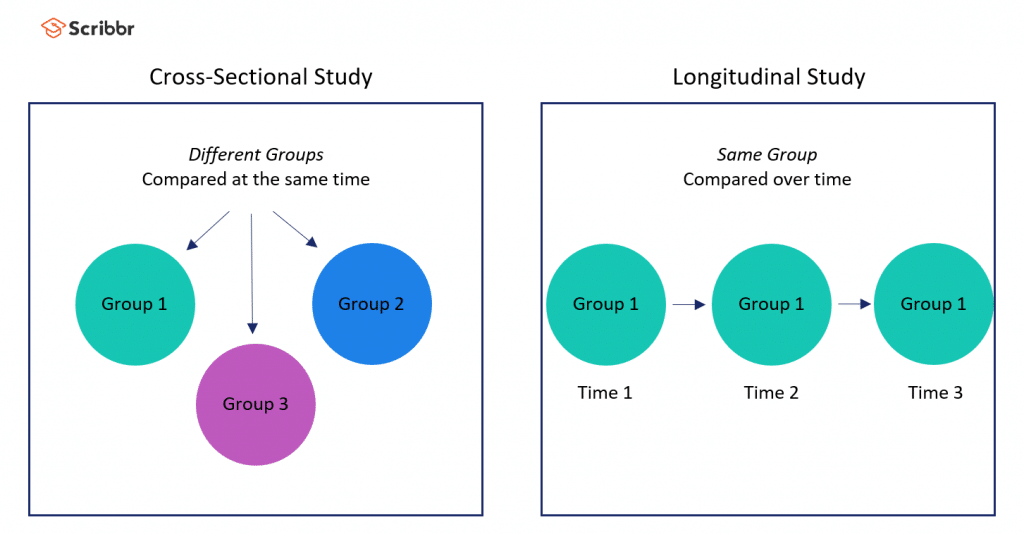
These studies often compare different groups within the population to identify factors that may correlate with certain outcomes. A cross-sectional analysis might conflate age-related changes with generational effects because different age groups are compared at one particular point in time. Longitudinal research, by observing the same individuals over time, can differentiate between aging effects and cohort effects, offering a clearer view of how specific and multiple variables change throughout an individual's life or over time. In practice, cross-sectional studies collect data across a wide range of subjects at a single moment, aiming to capture a comprehensive picture of a particular research question.
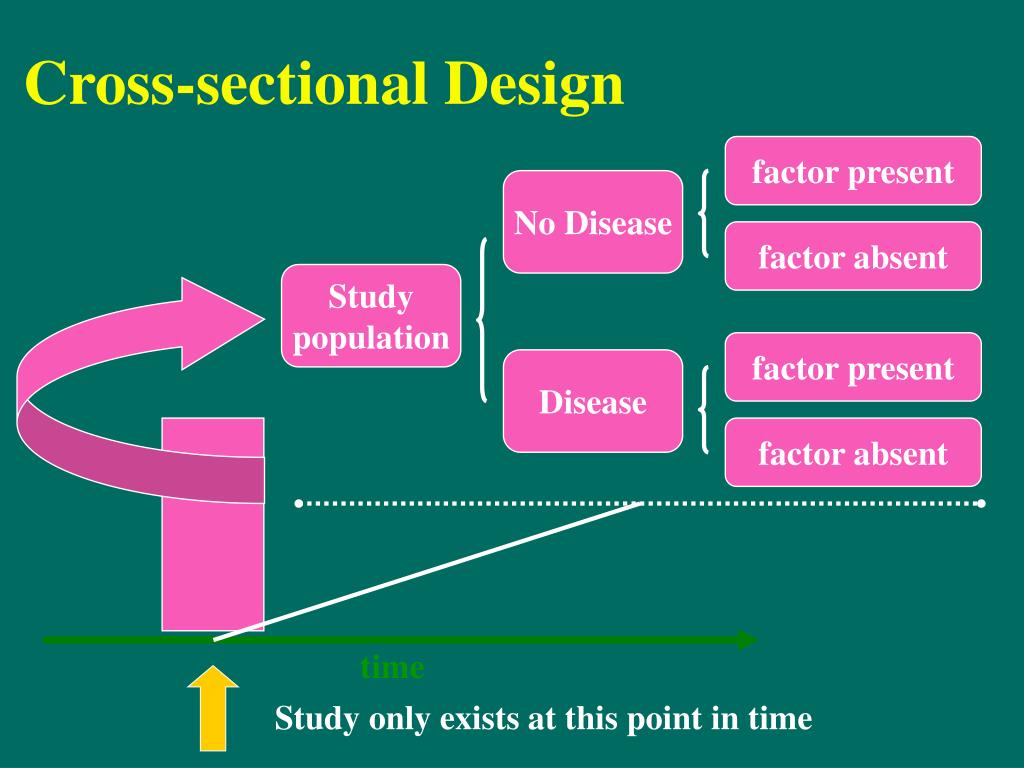
To implement a cross-sectional study, you can rely on data assembled by another source or collect your own. Cross-sectional studies rely on surveys and questionnaires, which might not result in accurate reporting as there is no way to verify the information presented. The information obtained from cross-sectional studies enables researchers to conduct further data analyses to explore any causal relationships in more depth.
You would not attempt to influence either group of individuals to modify their behavior or concerns. In other words, with cross-sectional research, the researcher tries to gather data without interfering in the results. In cross-sectional studies, researchers are responsible for designing and creating the tools involved in collecting cross-sectional data, but they do not manipulate the study environment. Explanatory cross-sectional studies go beyond identifying associations; they aim to explain why certain patterns or relationships are observed. These studies often incorporate theoretical frameworks or models to analyze the data within a broader context, providing deeper insights into the underlying mechanisms or factors.
Additional research is needed to determine teaching strategies that improve deep-learning approaches among nursing students. A qualitative study is required to analyze learning approaches and factors that may influence nursing students’ selection of learning approaches. Nursing education is a demanding field that requires students to acquire extensive knowledge and skills to provide competent and compassionate care.
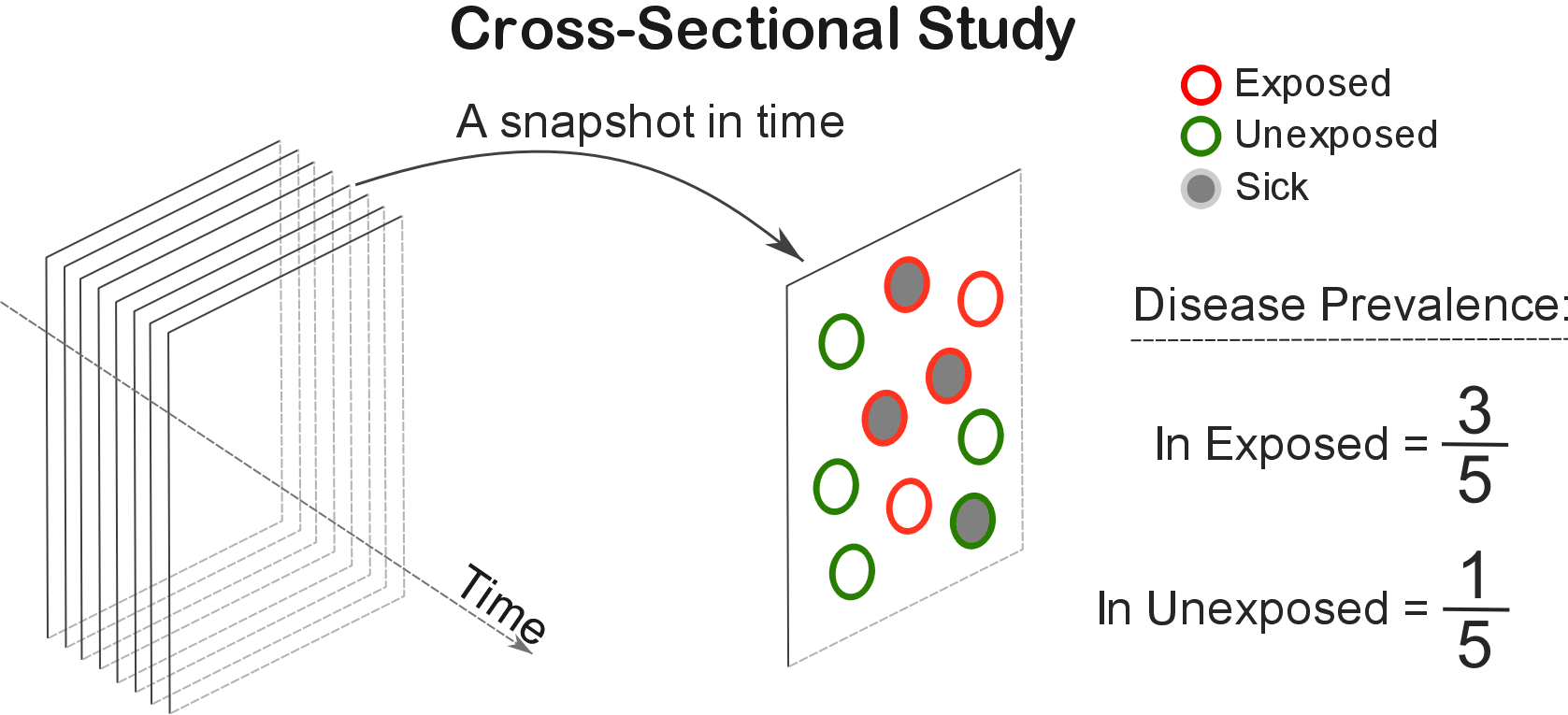
Furthermore, there are no participant follow-ups; therefore, losing study participants during the study is not an issue. In continuing with the obesity and sedentary activity level among HIV participants, the example below (see Table 1) describes the methods for calculating and discussing the results for an analytic cross-sectional study. Because all of the variables are analyzed at once, and data does not need to be collected multiple times, there will likely be fewer mistakes as a higher level of control is obtained. It can be used to assess the prevalence of outcomes and exposures, determine relationships among variables, and generate hypotheses about causal connections between factors to be explored in experimental designs. A cross-sectional study design is a type of observational study, or descriptive research, that involves analyzing information about a population at a specific point in time. The number of cross sections needed completelydepends on the complexity of the design, your planning departmentrequirements and who is building the house.
For example, respondents may not be able to accurately remember or describe their habits and behaviors. Furthermore, there is usually no mechanism to verify the information that survey respondents provide. This is simply a weakness that should be acknowledged when carrying out this type of research.
AMR threatens to erode the ability to treat infections with the available antibiotics as the pace of developing new antibiotics by the pharmaceutical industry has been quite slow the past two decades [3]. The immediate implications of antibiotic resistance include death and disability, extended hospital stays due to prolonged sickness, need for expensive therapies, and rising healthcare expenditure [2, 4, 5]. Consequences of AMR are quite grave in low and middle income countries (LMIC) as they cannot afford new expensive antibiotics [6, 7].
It is also possible that the investigator will recruit the study participants and examine the outcomes in this population. The investigator may also estimate the prevalence of the outcome in those surveyed. A cross-sectional study is a type of research design in which you collect data from many different individuals at a single point in time.
Learn the basics of load combinations and how they are used in structural engineering to ensure the strength and safety of a building or structure. Discover the different types of loads considered, common load combinations, and their impact on the structural design. The cross-sectional area is a geometric property of structural elements such as beams, columns, slabs, etc. and it is used to calculate the axial stresses in Cross-sections. In general it can be said that the greater the dimensions of a cross-section under a given load, the greater the Cross-sectional area and the smaller the axial stress. The datasets used and/or analyzed during the current study are available from the corresponding author upon reasonable request. This section reviews some research definitions and provides commonly used evidence tables.




No comments:
Post a Comment